

The Gap Between Intent and Behaviour at Airports
“The Gap Between Intent and Behaviour”
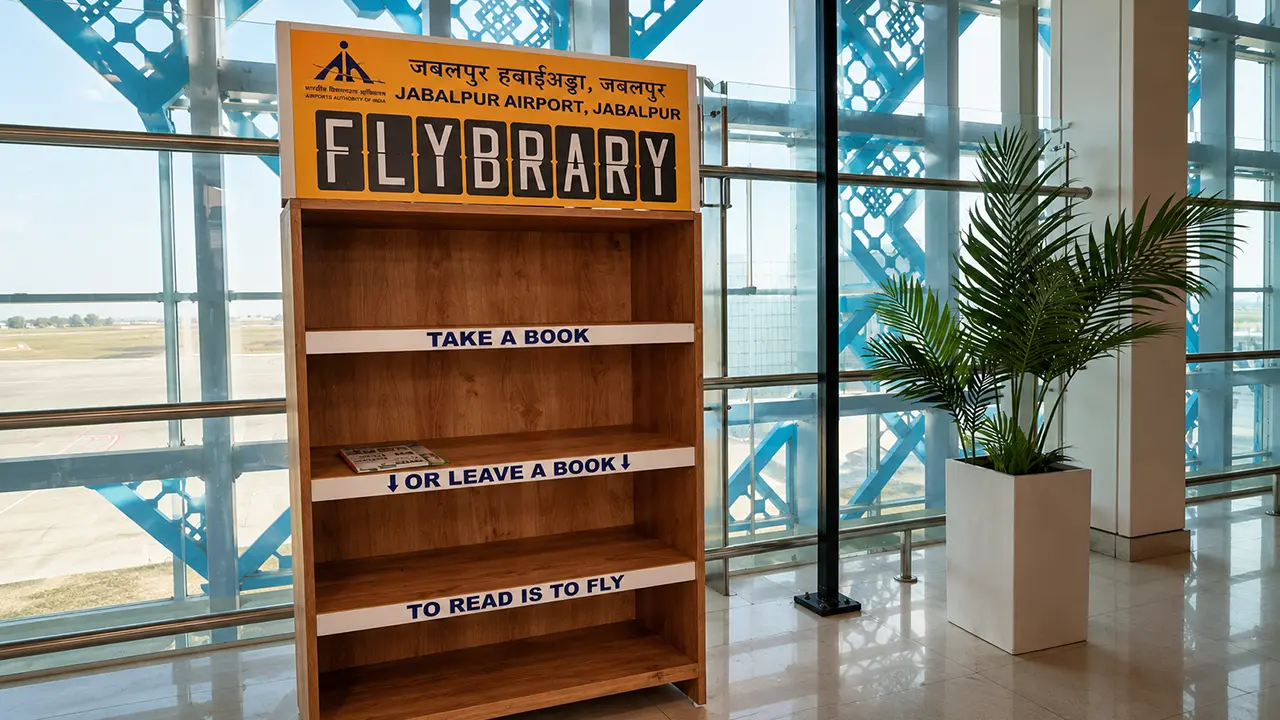
I spotted this at an airport run by the Airports Authority of India-a “Flybrary.”
On paper, it’s a beautiful idea- Take a book. Leave a book.
Encourage reading. Build a shared culture.
But in reality?
This shelf will likely stay empty most of the year.
Not because people don’t like the idea-but because the #behaviour doesn’t support it.
#Airports are transient spaces.
People are rushed, distracted, and traveling light.
No one is carrying an extra book just in case they feel generous.
And more importantly-who actually picks up a book at the airport to read a few pages? Reading a book needs immersion. Time. Continuity.
It’s not like picking up a newspaper or scrolling your phone.
So even the usage moment is flawed.
And anything left behind? High chance it disappears, not circulates.
Good intent. Weak execution.
This is where behavioral economics kicks in.
-Friction kills action
Even a small effort (carrying a book, deciding to donate) is enough to stop participation.
-Present bias wins
People optimize for now-catching a flight-not for a feel-good future action.
-Lack of incentives
There’s no immediate reward for leaving a book, but a clear gain in taking one.
-Taste and collection
Books come in all shapes and forms. Unless the collection is large I might not find my type of book.
This is exactly where many #brands go wrong.
They design for “intent”, not “behavior”.
They assume people will: scan, save, engage, contribute, remember…
But unless it’s easy, rewarding, and instinctive- they won’t.
A few classic examples:
1. “Bring your own container” sustainability drives
Brands expect customers to carry jars, bottles, or boxes.
Reality? Convenience wins. Always.
That’s why brands like Starbucks had to incentivize heavily rather than just “encourage.”
2. App-first customer journeys
“Download our app for a better experience.”
But users don’t want another app. Myntra made this error remember?
That’s why brands like Zomato or Swiggy work-because the core value is immediate, not forced.
3. Loyalty programs nobody remembers
Points, tiers, rewards…
Sounds great in decks.
But if it’s not simple and instantly rewarding, it gets ignored.
Contrast that with how Amazon built Prime-clear, tangible, everyday value.
The real lesson:
Great ideas don’t fail because they’re bad.
They fail because they ignore how humans behave.
If the behaviour isn’t easy, natural, and rewarding- no amount of messaging will fix it. A better way to think about it:
Instead of asking: “Is this a good idea?”
Brands should ask: “Will people actually do this… without effort?”
Because the gap between those two questions is where most brand initiatives fail or succeed.